Assessment of Pathways to Achieve Carbon Neutrality in Guatemala by 2050 Under a Technological Uncertainty Scenario
Project description
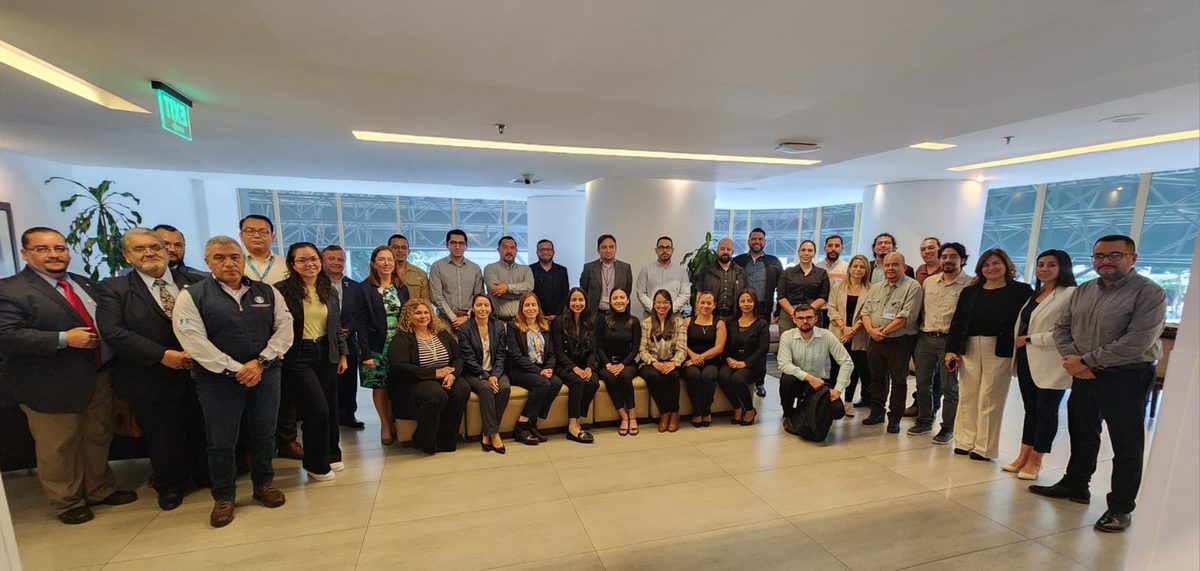
In this context, through the project “Assessment of Pathways to Achieve Carbon Neutrality in Guatemala by 2050 Under a Technological Uncertainty Scenario” Climate Lead Group (CLG) suppported the Government of Guatemala in updating its Long-Term Strategy (LTS) by explicitly incorporating a carbon neutrality vision for mid-century, coordinating the project and leading the analysis of the waste and industrial processes and product use (IPPU) sectors. For this project, CLG partnered with Universidad Galileo, that lead the analysis of the energy and transport sectors; Universidad del Valle, responsible for agriculture and land use, land-use change and forestry (LULUCF) The project applied a Robust Decision Making (RDM) approach that combined stakeholder engagement —through workshops and bilateral consultations— with advanced quantitative modeling to identify robust strategies that perform well under diverse technological, financial, social, and environmental assumptions. Using tools such as the open-source OSeMOSYS platform, the analysis evaluated hundreds of decarbonization scenarios across key sectors, comparing costs, benefits, risks, and trade-offs under a wide range of future conditions. Through this work, CLG led the integration of sectoral results and contributed to strengthening national technical capacities, supporting evidence-based climate planning and reinforcing Guatemala’s long-term pathway toward carbon neutrality Through technical and political recommendations to inform Guatemala’s LTS to support future climate planning and decarbonization processes in the country.