Our portfolio

High-impact projects
across Latin America and the Caribbean

Over a decade of rigorous technical work supporting governments, financial institutions and companies in designing and implementing robust climate solutions.

Project listing

Thematic Area
Region
Country
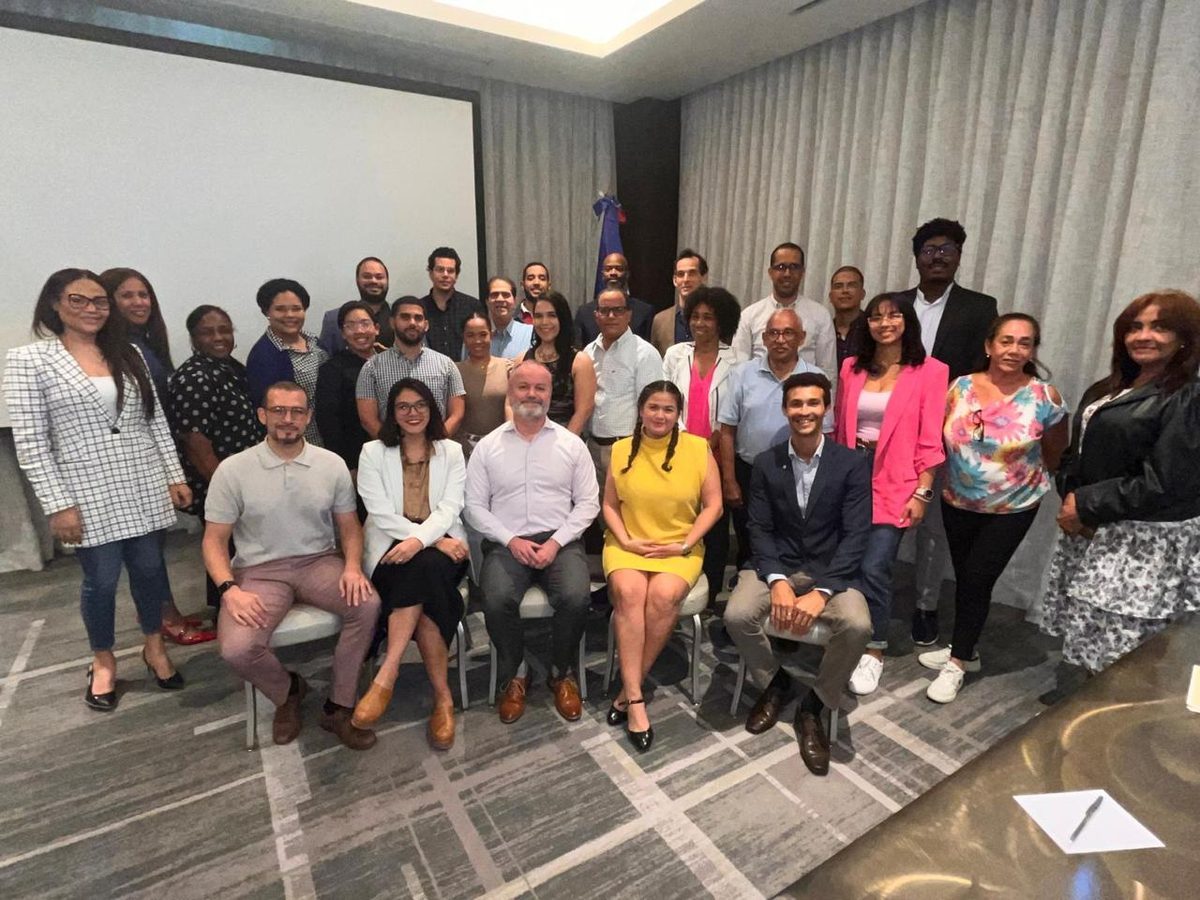
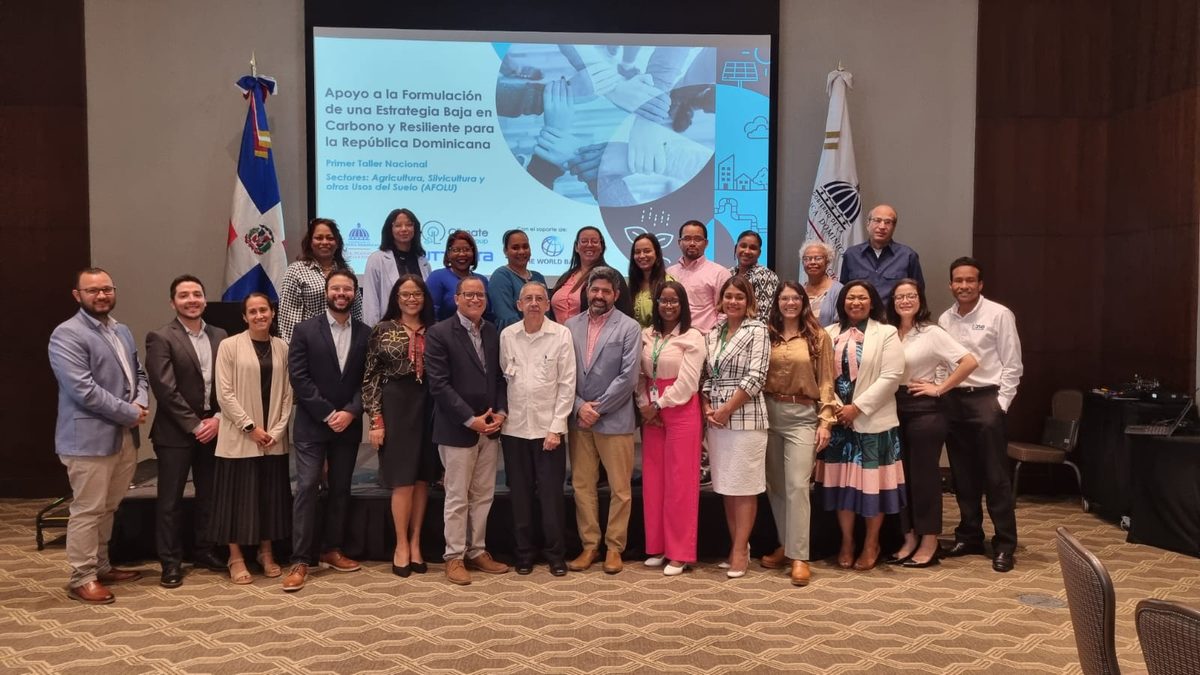
Support to the formulation of a Low-Carbon and Climate-Resilient Long-Term Development Strategy (LTS) for the Dominican Republic
Policy & Strategy DevelopmentDecarbonization & Emission ReductionClimate Change AdaptationCapacity BuildingParticipatory Process

Support to the formulation of a Low-Carbon and Climate-Resilient Long-Term Development Strategy (LTS) for the Dominican Republic

Climate Lead Group (CLG) supported the Government of the Dominican Republic in the development of its Low-Carbon and Climate-Resilient Long-Term Development Strategy (LTS) by combining analytical work, stakeholder engagement, and institutional strengthening to assess alternative development pathways toward mid-century. Rather than promoting a single prescriptive outcome, the project aimed to support strategic decision-making by exploring low-emission and climate-resilient pathways, their implications, and the trade-offs under uncertainty. The work was structured around four interconnected components. First, a shared national vision was developed through inclusive stakeholder consultations, bilateral meetings, and national workshops. As part of this process, stakeholders co-created a structured analytical framework based on the XLRM approach (eXogenous uncertainties, policy Levers, Relationships, and performance Metrics) to identify key emissions drivers, resilience priorities, policy options, data and modeling needs, and critical uncertainties. Second, integrated sectoral modeling and analysis were carried out using the OSeMOSYS-RD platform and a Robust Decision-Making (RDM) framework to evaluate alternative low-carbon and climate-resilient pathways for key sectors, including Energy, Agriculture, Forestry and Other Land Use, Waste, and Industrial Processes and Product Use, including emissions, costs, benefits, and robustness to uncertainty, with selected pathways informing a macroeconomic assessment led by the World Bank. Third, the project implemented a structured capacity-building program to through hybrid training sessions to strengthen national technical capacities in LTS concepts, sectoral modeling, results interpretation, and the use and future updating of the models, ensuring full transfer of analytical tools and materials to government institutions. Finally, the project supported the formulation of analytical inputs to the LTS, including sectoral narratives, policy milestones, and implementation considerations, to inform development planning, investment discussions, and future updates of national climate policies and NDCs.
Dominican Republic · Caribbean 2024
Integrated modeling tools to support the National Development Strategy of the Dominican Republic through a CLEWs framework
Policy & Strategy DevelopmentDecarbonization & Emission ReductionCapacity BuildingIntegrated planning and nexus-based modeling

Integrated modeling tools to support the National Development Strategy of the Dominican Republic through a CLEWs framework

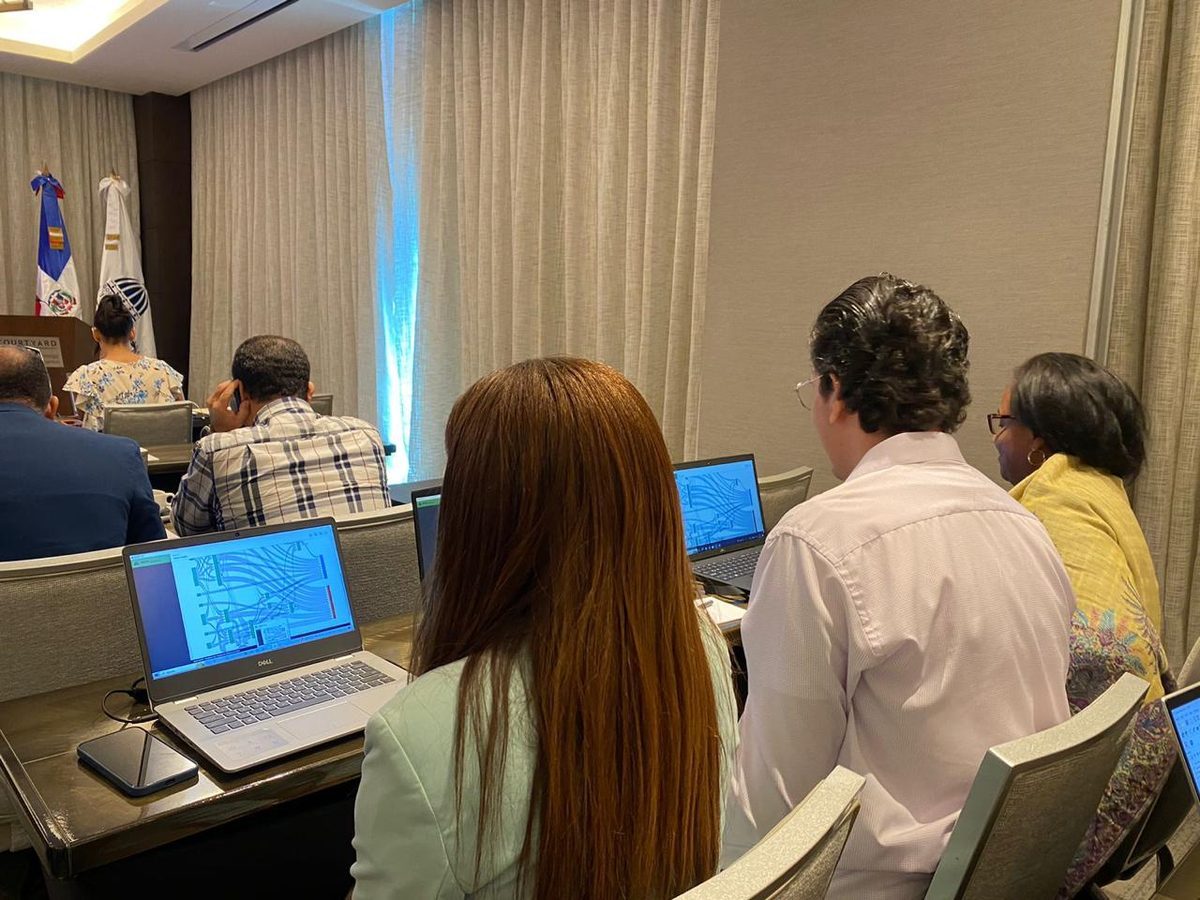
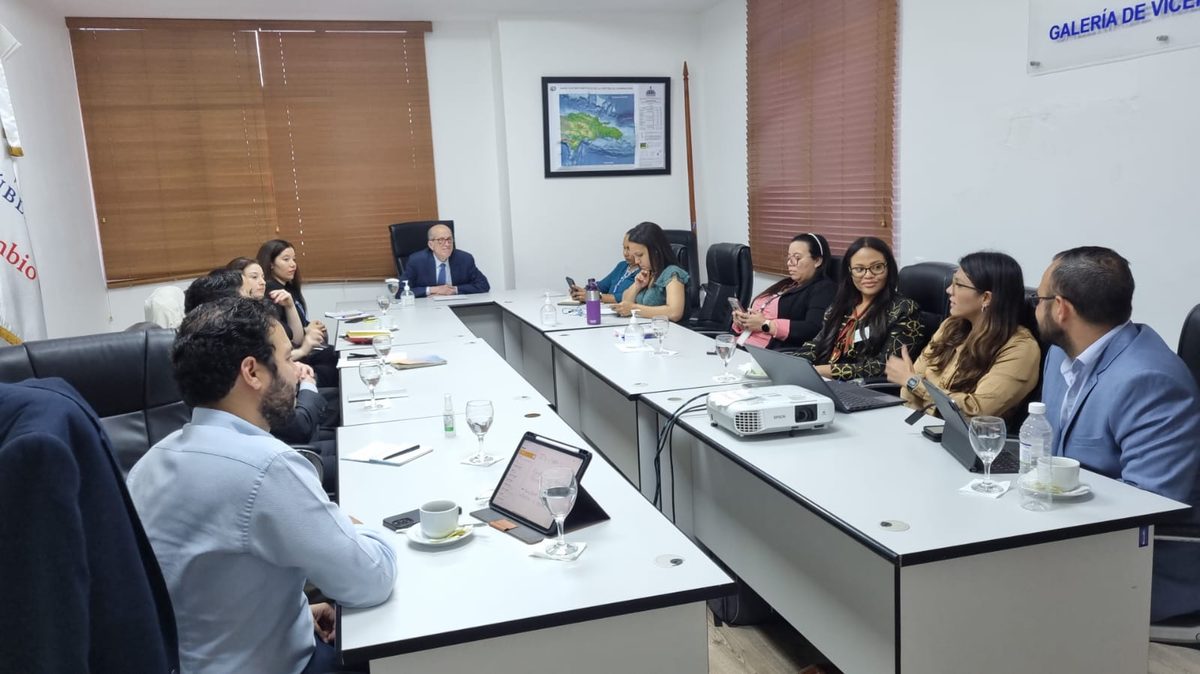
In this context, Climate Lead Group (CLG) provided technical assistance and capacity-building support to the Government of the Dominican Republic, under the coordination of the United Nations Department of Economic and Social Affairs (UNDESA), to strengthen integrated modeling capacities through the application of the CLEWs (Climate, Land, Energy and Water systems) approach. CLG’s responsibilities focused on supporting the development, application, and transfer of a national CLEWs model tailored to the Dominican Republic’s planning needs. In particular, CLG supported the design and delivery of introductory and advanced CLEWs workshops for national stakeholders, combining technical presentations on the CLEWs methodology with hands-on exercises to build practical skills in model use and interpretation. CLG worked closely with UNDESA, national consultants, and government counterparts to provide technical guidance on data requirements, model structure, and the integration of water resources, including hydrology, water use, and water infrastructure, into an existing low-emissions development modeling framework. In addition, CLG supported scenario design and the implementation of policy-relevant scenario analysis using the CLEWs model, in close consultation with national stakeholders. In the final phase of the project, CLG supported the preparation of technical outputs and policy-oriented materials, and contributed to the organization and delivery of a final dissemination and model transfer workshop. This included presenting the national CLEWs model structure, data, and results, facilitating hands-on training sessions, and supporting institutional uptake of the tool. Through these activities, CLG contributed to strengthening national capacities for integrated, evidence-based planning in support of the National Development Strategy and related climate and sustainability objectives.

Dominican Republic · Caribbean 2024
Technical support for GHG scenario modeling, MACC development, and cost-benefit analysis for the update of the Dominican Republic's NDC 3.0
Policy & Strategy DevelopmentDecarbonization & Emission ReductionClimate Change Adaptation

Technical support for GHG scenario modeling, MACC development, and cost-benefit analysis for the update of the Dominican Republic's NDC 3.0

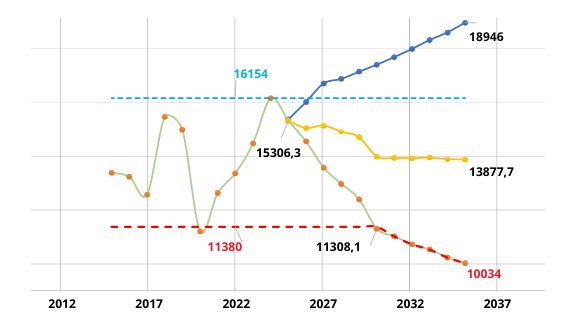
To achieve this, Climate Lead Group (CLG) provided technical support to the Government of the Dominican Republic for the update of its NDC 3.0 through the development of integrated, transparent, and policy-relevant analytical inputs. The work focused on generating quantitative evidence to inform mitigation ambition, prioritize measures, and assess economic feasibility. Key activities included the development of national and sectoral greenhouse gas emission trajectories for Business-as-Usual (BAU) and NDC scenarios for the 2025–2035 period, ensuring coherence with national inventories and long-term planning frameworks; the construction of Marginal Abatement Cost Curves (MACC) and the application of cost-benefit analysis to assess mitigation measures based on their emission reduction potential, costs, and co-benefits; and the integration of these analytical outputs to support the definition, justification, and internal consistency of the Dominican Republic’s NDC 3.0 targets and measures. Building on these technical results, the project concluded with targeted capacity-building and knowledge dissemination activities to strengthen institutional ownership and ensure effective use of the generated evidence. This included the design and delivery of training sessions for key national institutions on emissions modeling, interpretation of MACC and cost-benefit analysis results, and their application to climate policy planning and future NDC updates. In addition, the project supported the preparation of a technical-narrative blog proposal for publication by the Inter-American Development Bank, designed to communicate the value of evidence-based decision-making, translate complex analytical outputs into accessible messages, and highlight the role of data-driven tools in strengthening the Dominican Republic’s NDC 3.0.

Dominican Republic · Caribbean 2025
Assessment of Pathways to Achieve Carbon Neutrality in Guatemala by 2050 Under a Technological Uncertainty Scenario
Decarbonization & Emission ReductionPolicy & Strategy Development

Assessment of Pathways to Achieve Carbon Neutrality in Guatemala by 2050 Under a Technological Uncertainty Scenario

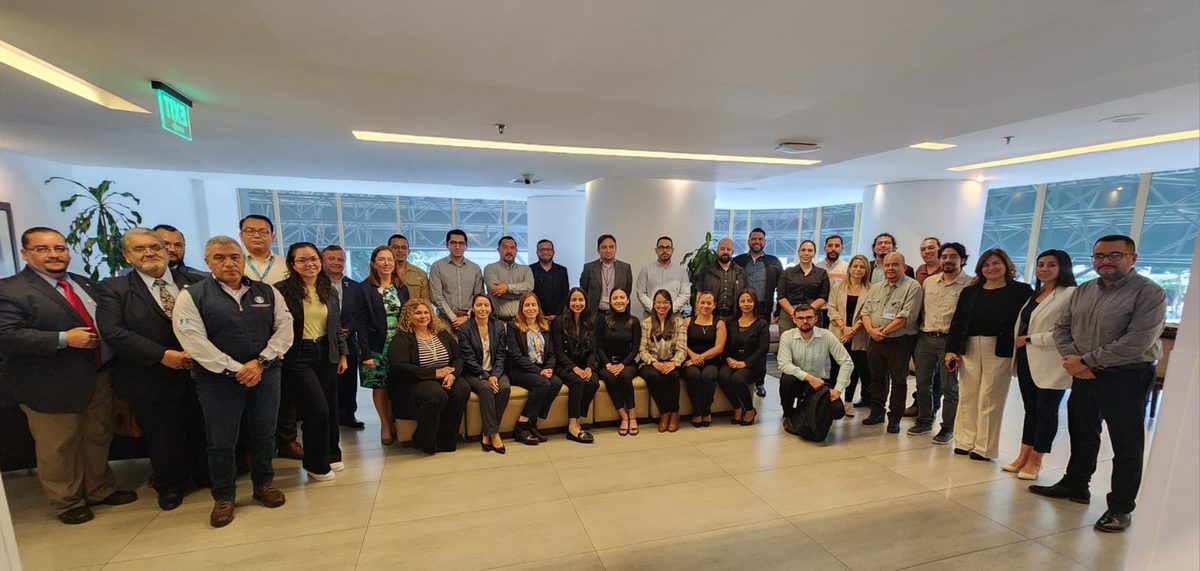
In this context, through the project “Assessment of Pathways to Achieve Carbon Neutrality in Guatemala by 2050 Under a Technological Uncertainty Scenario” Climate Lead Group (CLG) suppported the Government of Guatemala in updating its Long-Term Strategy (LTS) by explicitly incorporating a carbon neutrality vision for mid-century, coordinating the project and leading the analysis of the waste and industrial processes and product use (IPPU) sectors. For this project, CLG partnered with Universidad Galileo, that lead the analysis of the energy and transport sectors; Universidad del Valle, responsible for agriculture and land use, land-use change and forestry (LULUCF) The project applied a Robust Decision Making (RDM) approach that combined stakeholder engagement —through workshops and bilateral consultations— with advanced quantitative modeling to identify robust strategies that perform well under diverse technological, financial, social, and environmental assumptions. Using tools such as the open-source OSeMOSYS platform, the analysis evaluated hundreds of decarbonization scenarios across key sectors, comparing costs, benefits, risks, and trade-offs under a wide range of future conditions. Through this work, CLG led the integration of sectoral results and contributed to strengthening national technical capacities, supporting evidence-based climate planning and reinforcing Guatemala’s long-term pathway toward carbon neutrality Through technical and political recommendations to inform Guatemala’s LTS to support future climate planning and decarbonization processes in the country.

Guatemala · Central America 2022
Financial Assessment of Guatemala's Long-Term Strategy: Using the Financial Panel to Develop Indicators for Decision-Making
Decarbonization & Emission ReductionPolicy & Strategy Development

Financial Assessment of Guatemala's Long-Term Strategy: Using the Financial Panel to Develop Indicators for Decision-Making

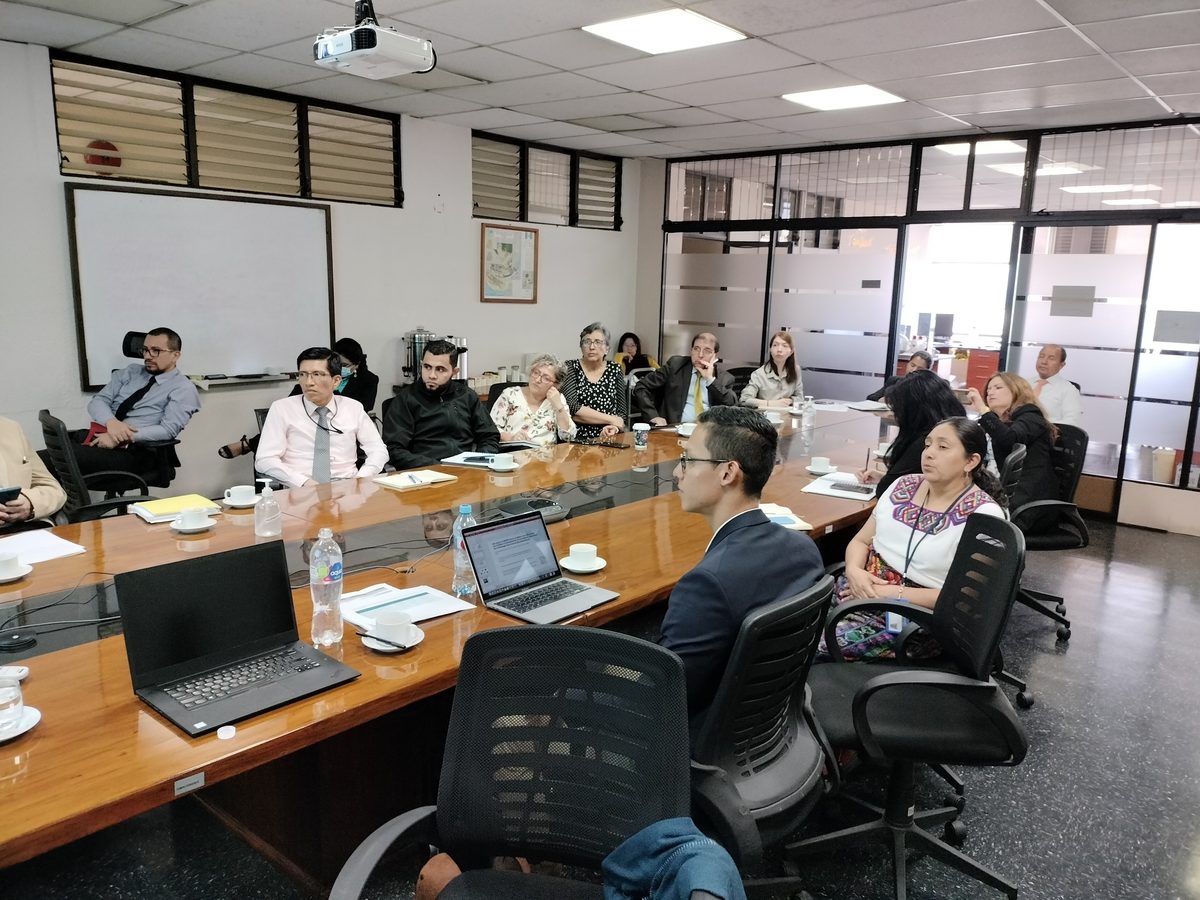
Climate Lead Group (CLG) supported the Ministry of Public Finance of Guatemala (MINFIN) in strengthening its capacity to understand and manage the financial implications of implementing the country’s Long-Term Strategy (LTS) toward carbon neutrality by 2050. The project focused on translating long-term climate ambition into actionable financial insights to support informed public decision-making. Implemented in the context of Guatemala’s Long-Term Strategy update, led by MINFIN in coordination with the Ministry of Environment and Natural Resources (MARN) and the National Planning Secretariat (SEGEPLAN), the project developed a set of key financial indicators and a dynamic financial dashboard tailored to the national context. These tools enable systematic tracking, analysis, and interpretation of critical financial variables to assess the economic feasibility of the climate transition. The project applied a Robust Decision Making (RDM) approach, combining participatory workshops and bilateral interviews with key institutions to identify relevant financial performance metrics, policy actions, data sources, and uncertainties (XLRM approach) affecting long-term climate strategy implementation. Developed in close coordination with sectoral decarbonization teams and the European Climate Foundation, and informed by international best practices such as those developed by the Institute for Climate Economics (I4CE), the project ensured technical coherence and avoided duplication. Through the delivery of financial indicators, a user-friendly dashboard, and targeted capacity-building materials, CLG contributed to strengthening institutional ownership and embedding financial analysis into Guatemala’s long-term climate policy planning, supporting a more resilient and economically sound pathway toward carbon neutrality.

Guatemala · Central America 2022
Update on technical results of the Nationally Determined Contribution (NDC) on climate change
Policy & Strategy DevelopmentDecarbonization & Emission Reduction

Update on technical results of the Nationally Determined Contribution (NDC) on climate change

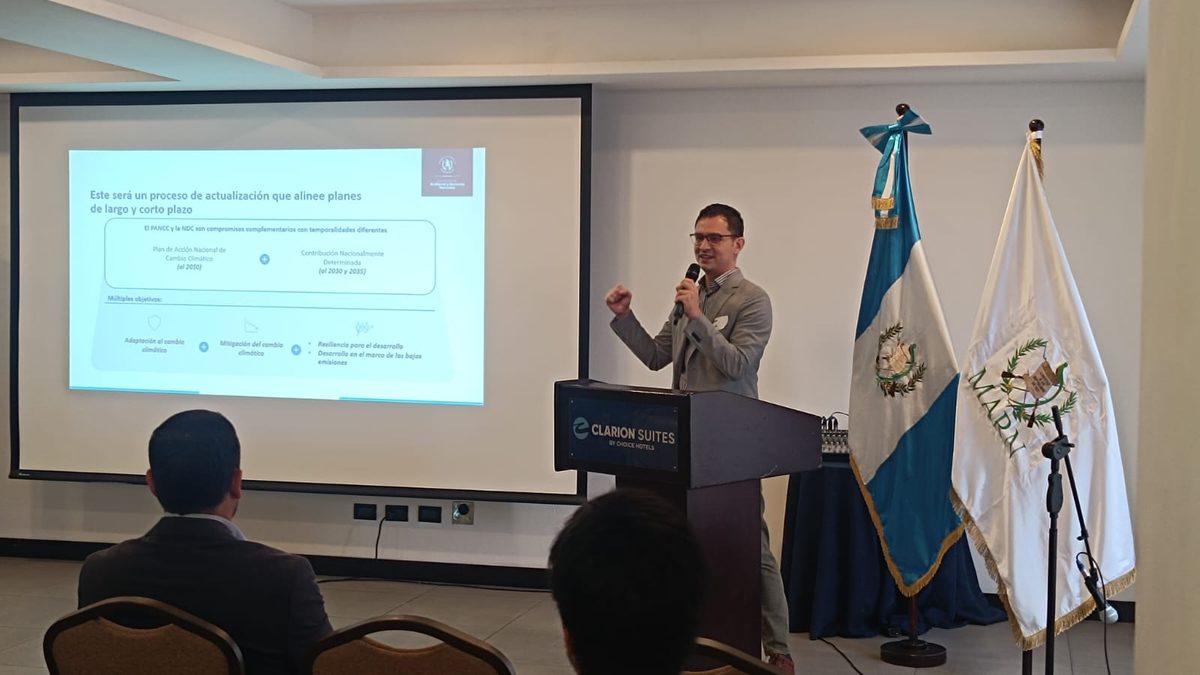
Given this need, through this project, Climate Lead Group (CLG) provided technical and strategic support to the Ministry of Environment and Natural Resources (MARN), in coordination with the Inter-American Development Bank (IDB), applying a Robust Decision Making (RDM) approach to integrate inputs from Guatemala’s National Low-Emission Development Strategy (ENDBE, by its Spanish acronym) and the National Climate Change Action Plan (PANCC, by its Spanish acronym). Through advanced modeling and scenario analysis, the project defined mitigation and adaptation scenarios, targets, and indicators for the 2030 and 2035 horizons. The NDC update was developed through three national workshops and multiple bilateral consultations involving government institutions, the private sector, indigenous peoples, youth, academia, and civil society. These spaces enabled the prioritization of mitigation and adaptation pathways, validation of transformation narratives, and discussion of feasibility and fiscal implications. Key results will be consolidated into a final technical NDC update document, including mitigation and adaptation targets for 2030 and 2035, clear linkages between mitigation and adaptation objectives, cross-sectoral interactions, and a systematic documentation of the participatory process. Through this work, CLG will contribute to strengthening Guatemala’s NDC as a coherent, participatory, and technically robust instrument to guide climate action and sustainable development.

Guatemala · Central America 2025
Design of the Long-Term Climate Resilience Strategy for terrestrial ecosystems, coastal areas, food security and agriculture
Policy & Strategy DevelopmentClimate Change Adaptation

Design of the Long-Term Climate Resilience Strategy for terrestrial ecosystems, coastal areas, food security and agriculture

Climate Lead Group (CLG) is supporting the development of updated, long-term sectoral adaptation strategies for terrestrial ecosystems, marine and coastal zones, and agriculture, livestock, and food security. Through this project, CLG is developing and documenting a clear methodological approach that combines Robust Decision Making (RDM) and Blue Spot Analysis, using current and projected geospatial data to identify key climate risks, their geographic distribution, and sectoral vulnerabilities. This methodology was designed to bridge local-level climate risks with national planning processes. Using this approach, CLG will conduct scenario analysis and modeling to 2050 and define sector-specific adaptation strategies, targets, indicators, and implementation pathways. The work will be carried out through a broad, participatory, and interinstitutional process, including workshops and bilateral consultations with public institutions and key stakeholders. Results will be consolidated into an updated technical document for the PANCC, providing a robust and practical foundation for public planning and climate policy implementation. Through this work, CLG will contribute to strengthening Guatemala’s adaptation planning with viable, development-aligned action plans for priority sectors.

Guatemala · Central America 2025
Support to the update of Honduras' National Decarbonization and Climate Resilience Strategy (ENDRCH) 2024–2050
Policy & Strategy DevelopmentDecarbonization & Emission ReductionClimate Change AdaptationCapacity BuildingParticipatory Process

Support to the update of Honduras' National Decarbonization and Climate Resilience Strategy (ENDRCH) 2024–2050

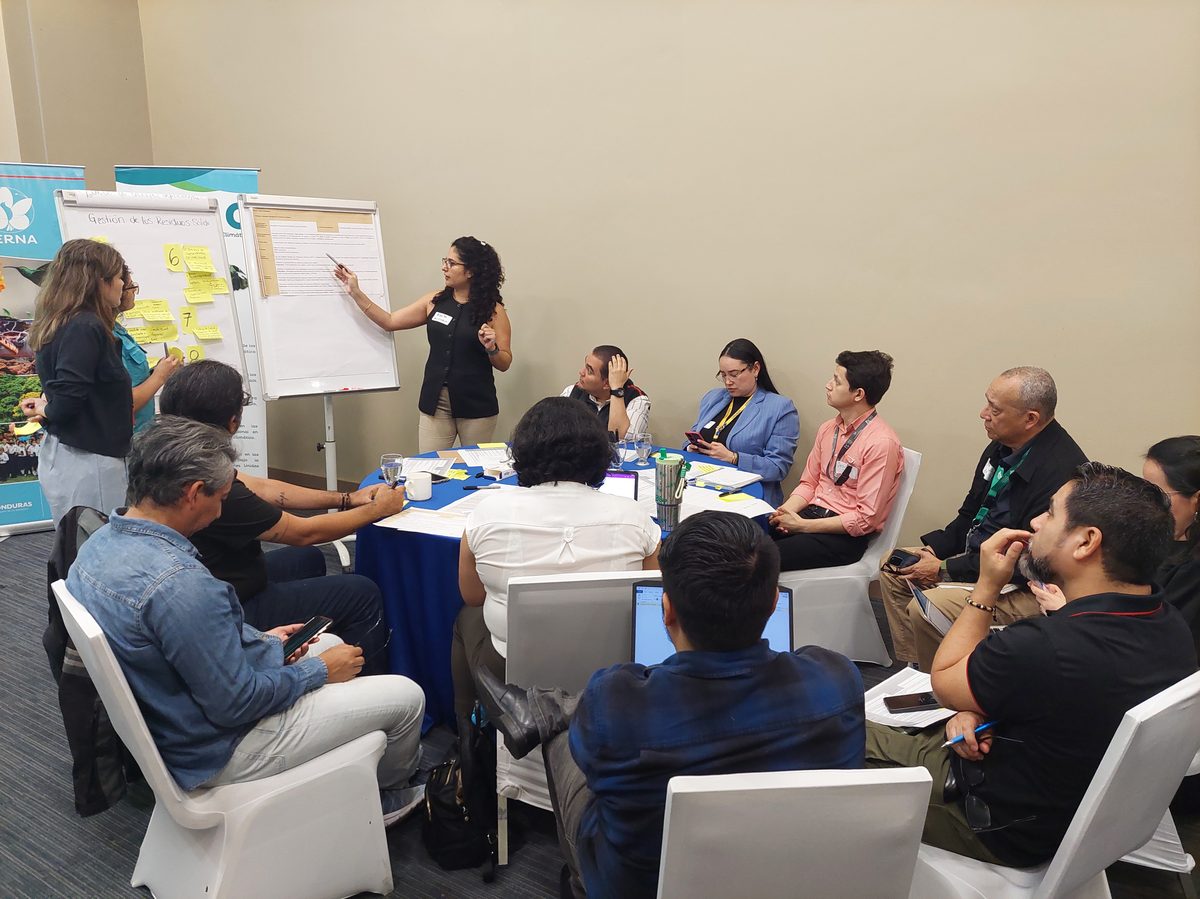
In this context, Climate Lead Group (CLG) provided technical, analytical, and participatory support to the Government of Honduras to update its ENDRCH for the period 2024–2050 to guide coordinated mitigation and adaptation actions across sectors. The work included the design and implementation of a comprehensive stakeholder engagement strategy; and sectoral modeling and scenario development and analysis for priority sectors —Energy, Transport, and Land Use, Land-Use Change and Forestry (LULUCF)— using tools such as OSeMOSYS, complemented by cost-benefit analysis and emissions trajectories under Business-as-Usual and decarbonization scenarios. THe project also supported the update of the strategic axes and cross-cutting pillars of the ENDRCH; the delivery of a national capacity-building program to strengthen institutional modeling and analytical capacities; and the facilitation of national workshops, bilateral consultations, and validation processes. Key outcomes included updated sectoral pathways to 2050, strengthened national ownership of climate modeling tools, a validated long-term strategy document, a high-level policy statement, and a digital repository to support knowledge management and future strategy updates.

Honduras · Central America 2024
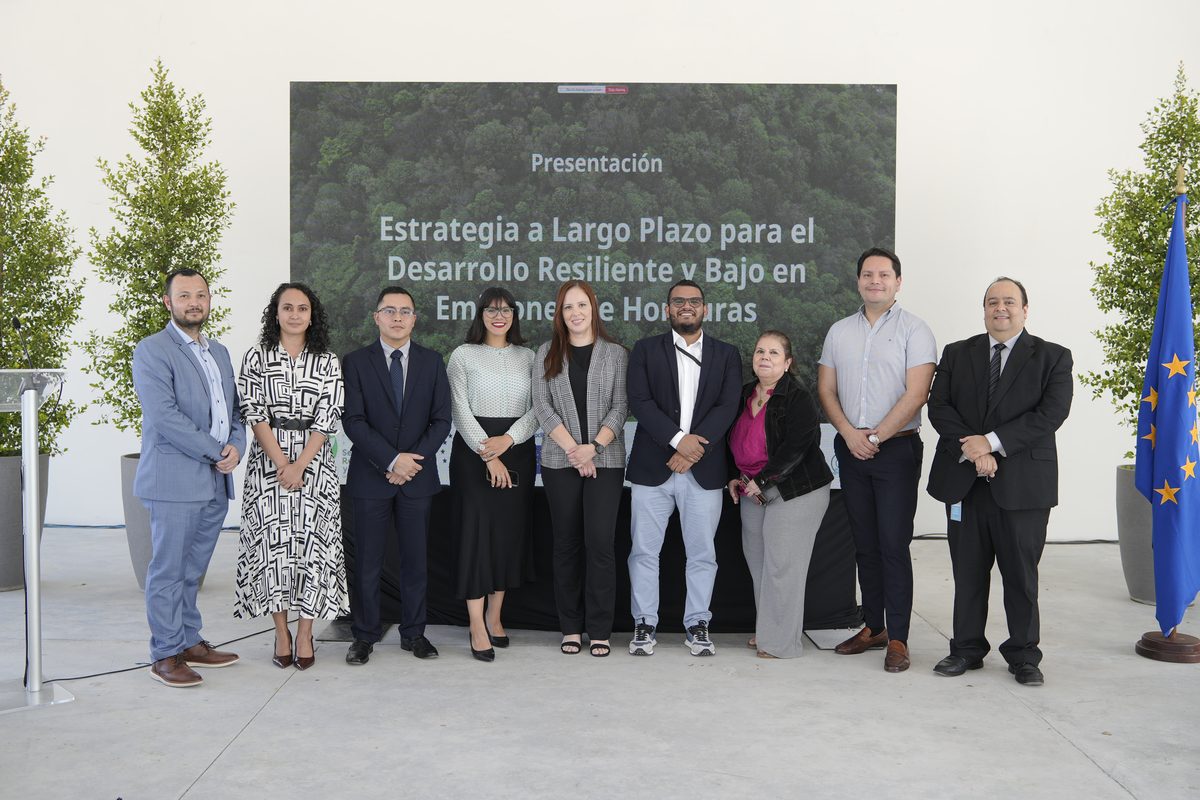
Organization and delivery of the official launch event of Honduras' Long-Term Strategy (LTS 2025–2050)
Policy & Strategy DevelopmentClimate Change AdaptationDecarbonization & Emission ReductionParticipatory Process

Organization and delivery of the official launch event of Honduras' Long-Term Strategy (LTS 2025–2050)

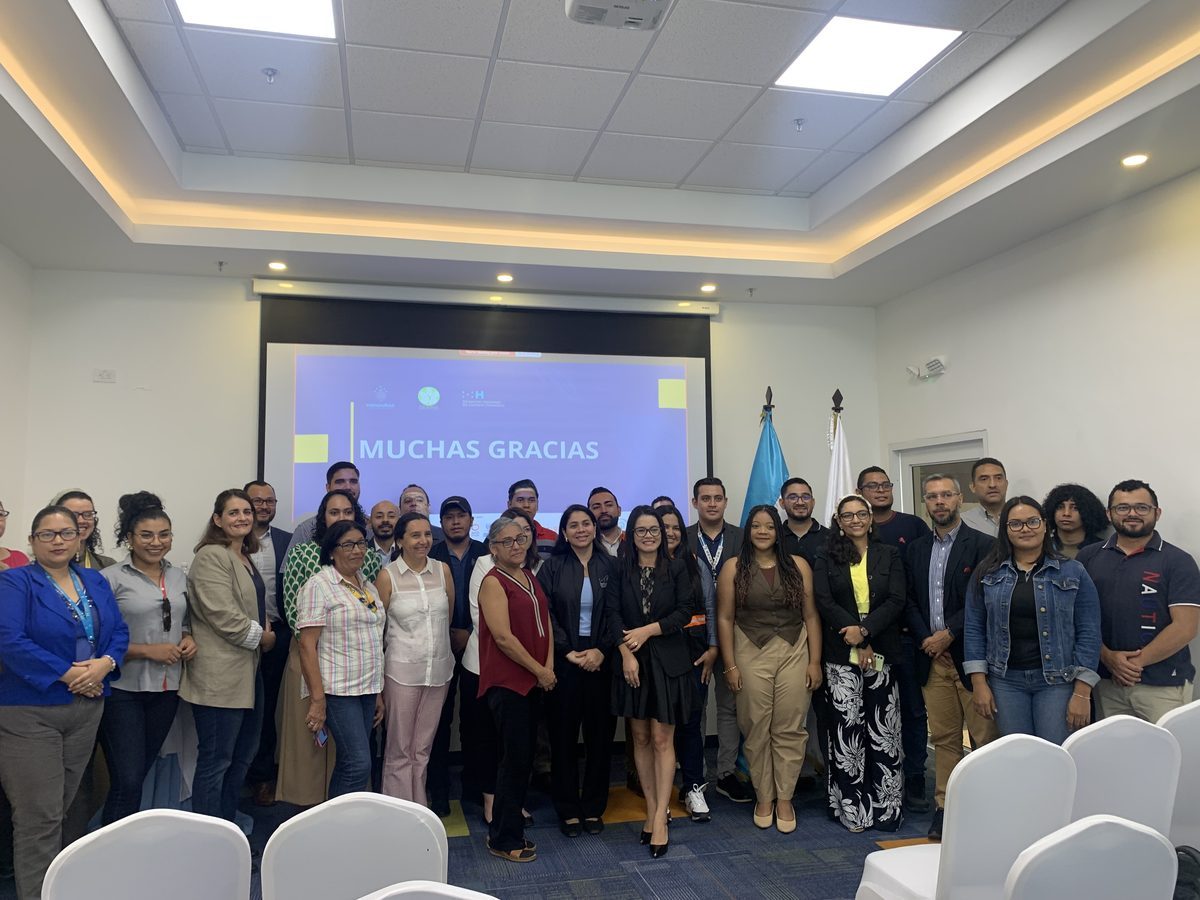
To achieve this, Climate Lead Group (CLG) provided comprehensive support for the organization, coordination, facilitation, and technical presentation of the official launch event of Honduras’ LTS 2025–2050. This included planning and logistical organization of the event in coordination with the Secretariat of Natural Resources and Environment (SERNA), the International and Ibero-American Foundation for Administration and Public Policies (FIIAPP), and the EUROCLIMA Programme of the European Union; preparation of the agenda, concept note, work plan, and stakeholder mapping; facilitation and moderation of high-level sessions and technical panels; and delivery of a clear and accessible technical presentation of the updated strategy, covering its vision, strategic axes, sectoral pathways, and implementation pillars. CLG also supported the production of communication and visibility materials, including press releases, social media content, audiovisual materials, and a photographic and video repository. The event successfully brought together more than 80 participants from government institutions, international cooperation agencies, civil society, academia, and the private sector, formally launching the LTS, strengthening inter-institutional commitment, and outlining next steps for implementation, financing, and monitoring.

Honduras · Central America 2024
Update of the National Biodiversity Strategy and Seventh Report to the CBD
Policy & Strategy DevelopmentClimate Change AdaptationParticipatory Process

Update of the National Biodiversity Strategy and Seventh Report to the CBD

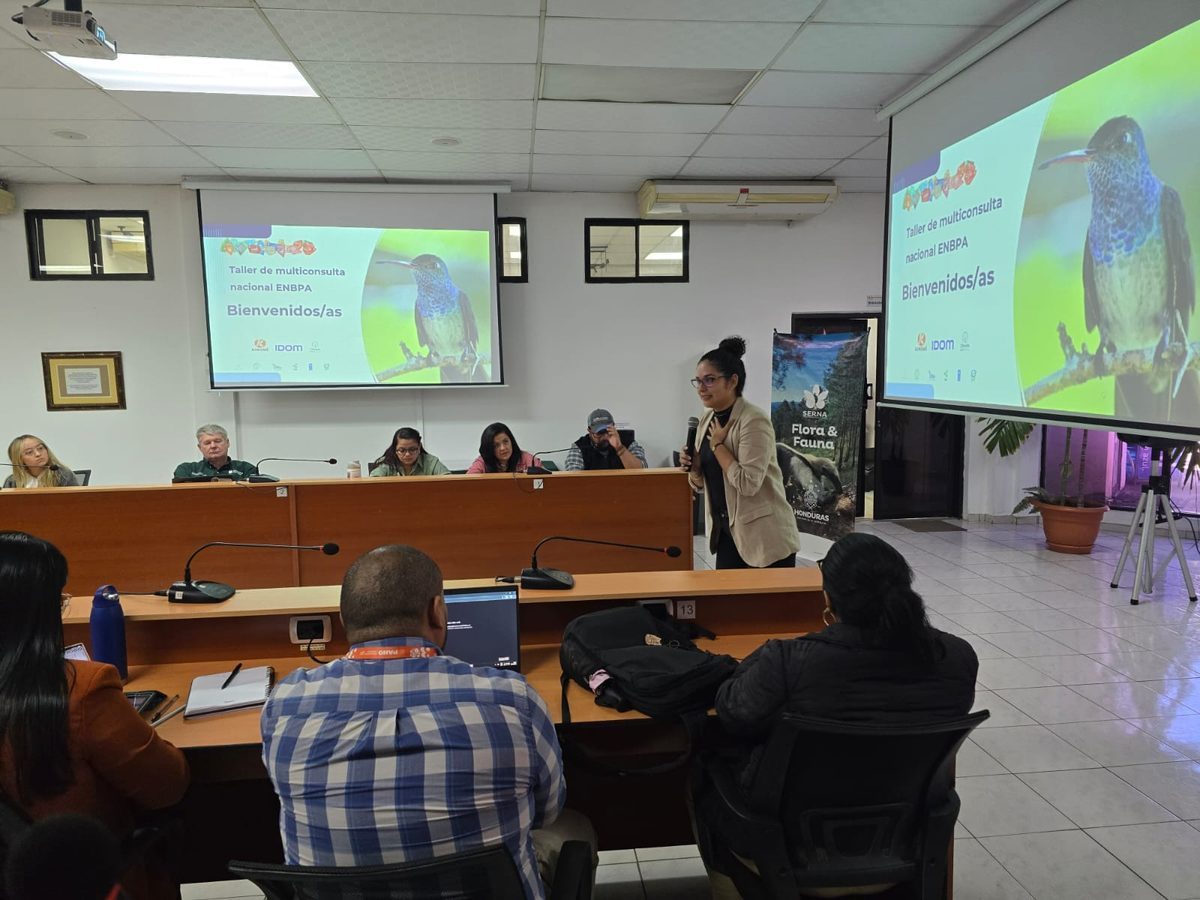
In this context, the project supported the Secretariat of Natural Resources and Environment (SERNA, by its Spanish acronym), through the Directorate of Biodiversity (DiBio, by its Spanish acronym), in updating and aligning the NBSAP with the GBF, as well as in preparing the Seventh National Report to the CBD, by identifying gaps and opportunities to strengthen implementation and mainstream biodiversity across key sectors. The consultancy included the development of a coordinated work plan and methodology for updating the NBSAP and preparing the Seventh National Report, including a stakeholder participation plan. It also provided analytical inputs, including a national gender analysis, the identification and prioritization of gaps in the current NBSAP, and an assessment of progress toward national targets and GBF goals. The process will result in strategic guidance to strengthen policy alignment, coherence, and biodiversity mainstreaming. Within the framework of this consultancy, Climate Lead Group (CLG) was responsible for the development of the Action Plan for the Elimination of Harmful Subsidies and Incentives, as well as the Strategies for Capacity Building and Resource Mobilization. CLG also supported the participatory process by assisting in the implementation of field workshops with local stakeholders, including communities, the productive sector (agriculture, aquaculture, coffee and cocoa, forestry), as well as national-level partners and institutions. These workshops were conducted in seven key sectoral regions to ensure that the strategy incorporated comprehensive inputs from participants, civil society, the productive sector, and other relevant stakeholders. Finally, CLG contributed to the development of the ENBPA through quality assurance and quality control (QA/QC) processes.

Honduras · Central America 2025
Cost-Benefit Assessment of Jamaica's Long-Term Emissions Reduction and Climate Resilience Strategy for 2050
Policy & Strategy DevelopmentDecarbonization & Emission ReductionClimate Change Adaptation

Cost-Benefit Assessment of Jamaica's Long-Term Emissions Reduction and Climate Resilience Strategy for 2050

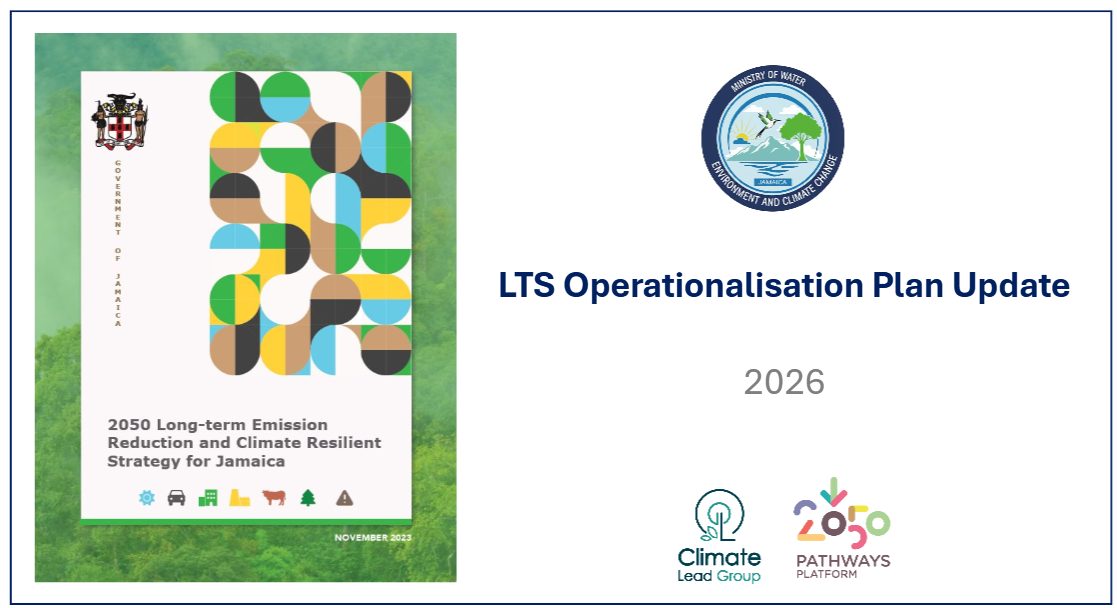
This project aimed to assess the costs and benefits of Jamaica’s LTS at both national and sectoral levels to support decision-making and prioritize key components that maximize climate and development benefits. The analysis covered financial and non-financial aspects, including social, economic, and environmental benefits, and address key uncertainties and sensitivities. The methodology used was Robust Decision Making (RDM), along with open-access models, which has been implemented in countries such as Costa Rica, Peru, Chile, and the Dominican Republic, among others, to design or evaluate long-term strategies. This participatory, model-based approach allows for the evaluation of multiple plausible pathways, enhancing stakeholder understanding and facilitating LTS implementation. The project involved three in-person workshops, and a capacity building plan on the developed models. In addition, the study analyzed the impact of the LTS on macroeconomic indicators, such as employment and Gross Domestic Product (GDP). The study seeked to maximize the understanding of the benefits of transitioning to a low-carbon, climate-resilient economy, avoiding carbon lock-in and maladaptation, and ensuring an equitable distribution of costs and benefits across Jamaican society.

Jamaica · Caribbean 2024
Management of the Local Financing for Climate Change Adaptation – FILACC
Climate Change Adaptation

Management of the Local Financing for Climate Change Adaptation – FILACC

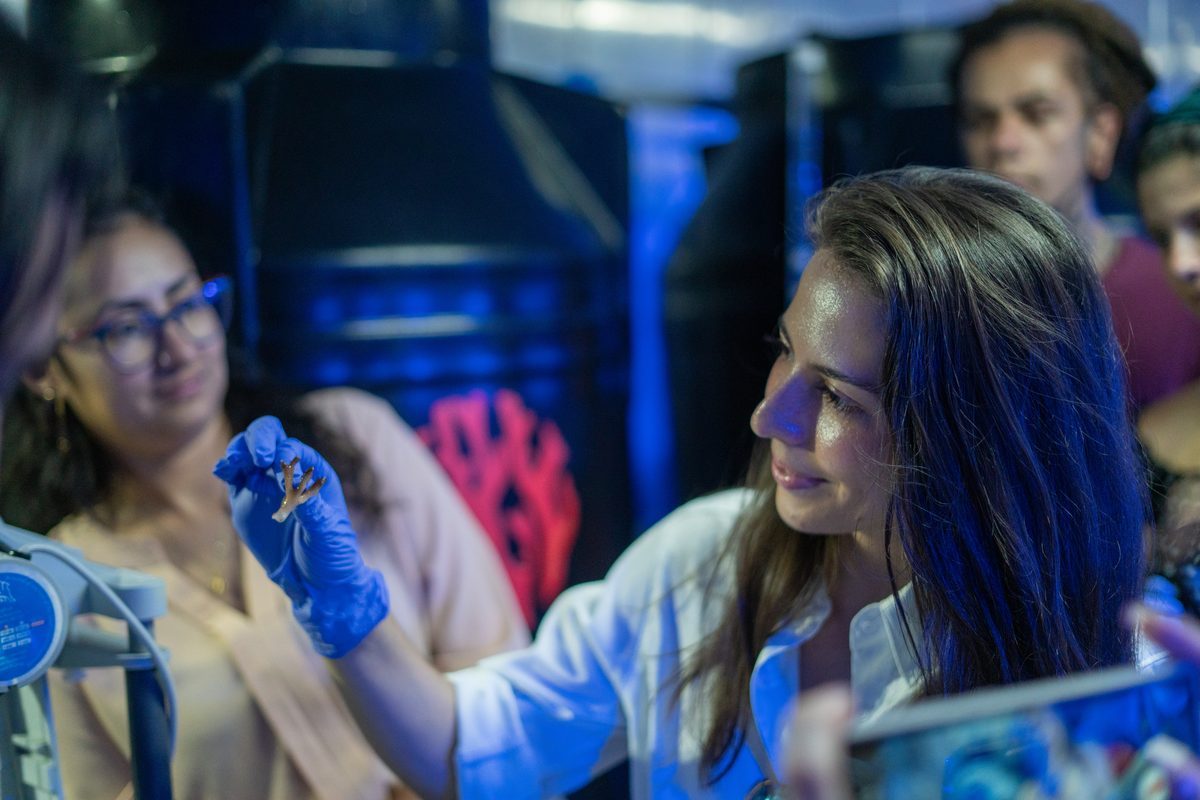
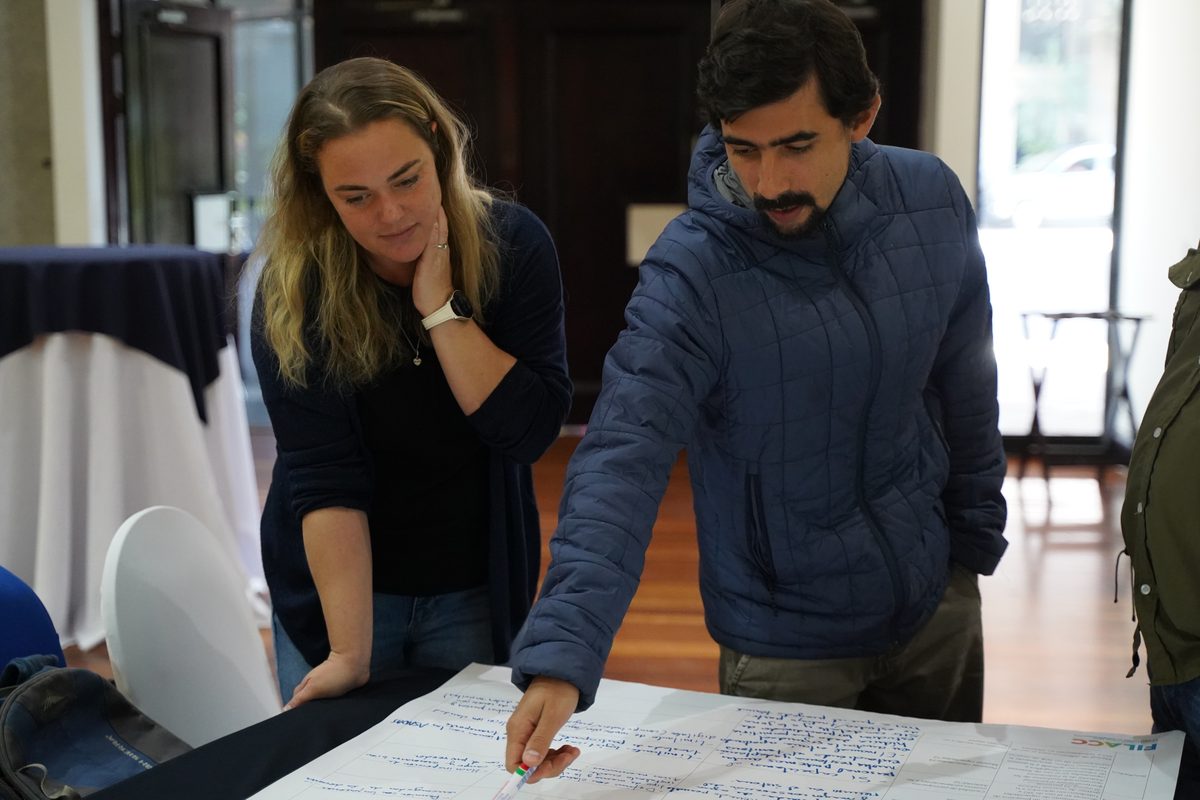
The Local Financing for Climate Change Adaptation (FILACC) program has been a pioneering initiative in Costa Rica, demonstrating how locally driven, nature-based solutions can strengthen community and ecosystem resilience to climate change. Through the financing and implementation of five local adaptation projects across different regions of the country, FILACC delivered tangible environmental and social benefits while reinforcing community-led climate action. Each of these initiatives addressed specific challenges in its territory. In Aserrí, the program improved water management in rural communities by installing hydrometeorological stations and rainwater harvesting systems, enhancing water resilience. In the Tenorio-Miravalles Biological Corridor, it promoted terrestrial ecosystem restoration by recovering habitats and strengthening ecological connectivity. In Puntarenas, FILACC supported the implementation technologies to optimize water use and improve the sustainability of agricultural production in dry zones. In Talamanca, it reinforced water management in Bribri and Cabécar indigenous communities through capacity-building processes and micro-watershed restoration. Finally, in Marino Ballena National Park, the program strengthened the coral restoration laboratory, fostering reef regeneration and resilience in marine-coastal ecosystems. Climate Lead Group (CLG) supported Expertise France in the implementation of FILACC by developing a technical and financial monitoring system to ensure transparent and efficient fund management, providing ongoing technical assistance to strengthen project execution, and facilitating coordination between national institutions, including MINAE, and beneficiary organizations. CLG also supported communication, visibility, and knowledge exchange activities to capture lessons learned and promote the replicability of successful initiatives. Through these actions, FILACC generated tangible impacts on climate adaptation, from restoring degraded ecosystems to implementing advanced monitoring and resource management systems. Additionally, it has built a network of local, governmental, and international actors, promoting active community participation in planning and implementing climate strategies. Its collaborative approach has not only enhanced environmental resilience but also strengthened technical capacities, integrated traditional knowledge, and fostered adaptive governance models. FILACC stands as an example of effective international cooperation, demonstrating that local financing, aligned with national policies and global frameworks such as the Paris Agreement and the Global Biodiversity Framework, can generate lasting impacts in the fight against climate change.

Costa Rica · Central America 2024
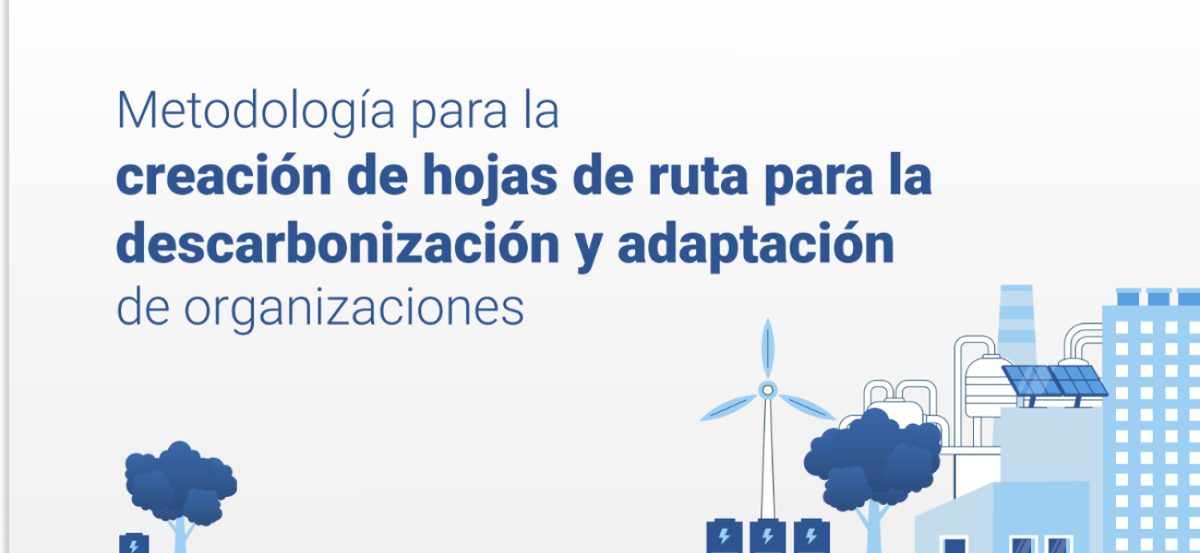
Validation of the Methodology for Developing Adaptation and Decarbonization Roadmaps for Private Sector Companies
Policy & Strategy DevelopmentDecarbonization & Emission ReductionClimate Change Adaptation

Validation of the Methodology for Developing Adaptation and Decarbonization Roadmaps for Private Sector Companies

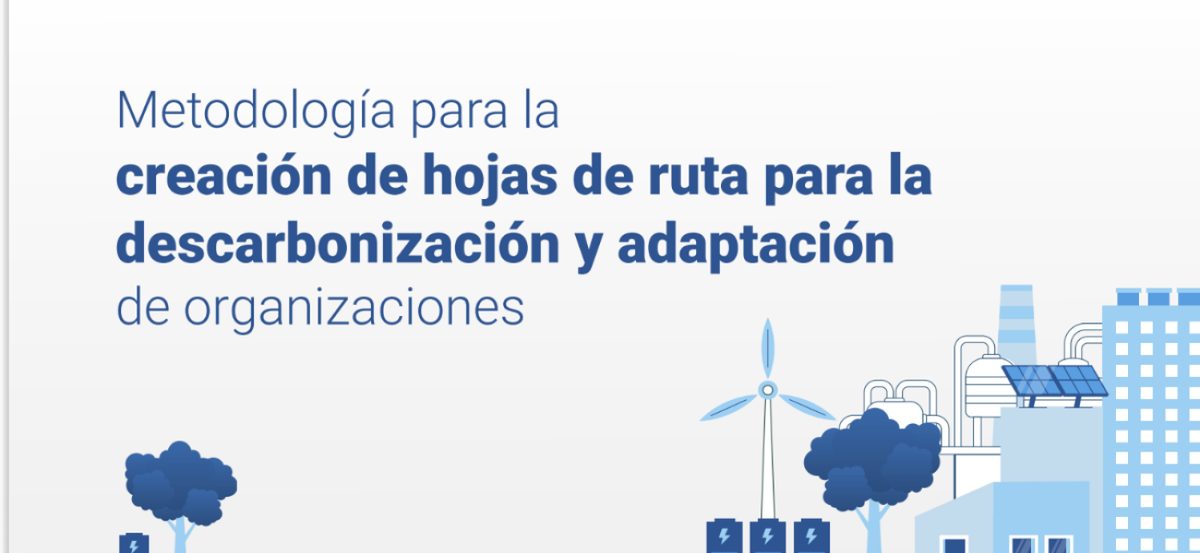
This project aimed to support the transition to a low-carbon economy by decarbonizing key industrial processes in Costa Rica. The project piloted a tool to produce decarbonization roadmaps in the provite sector developed by Climate Lead Group (CLG). The project was structured around three main components: (1) technical and financial feasibility analyses for decarbonizing selected industrial subsectors, including the development of marginal abatement cost curves (MACC) for emissions; (2) pilot implementation of sectoral roadmaps in the Food & Beverage and Construction/Real Estate sectors, with methodological adjustments based on lessons learned; and (3) training programs for the private sector to build capacity in decarbonization methodologies. Key outcomes included the identification of cost-effective emission reduction options for industrial processes, the validation of participatory methodologies through workshops with public and private stakeholders, and the integration of climate adaptation criteria into sectoral roadmaps. The project also produced training materials to replicate the approach in other sectors, ensuring the sustainability of climate actions beyond the project timeline. The project’s impact is evident in its contribution to updating Costa Rica’s NDC, providing robust technical data and mechanisms to align private sector actions with national climate neutrality goals. Furthermore, it laid the groundwork for future interventions in other industrial sectors, fostering a just and collaborative transition toward decarbonization.

Costa Rica · Central America 2024
Electric Mobility in Costa Rica's Tourism Subsector
Energy Transition & Clean TechnologiesDecarbonization & Emission Reduction

Electric Mobility in Costa Rica's Tourism Subsector

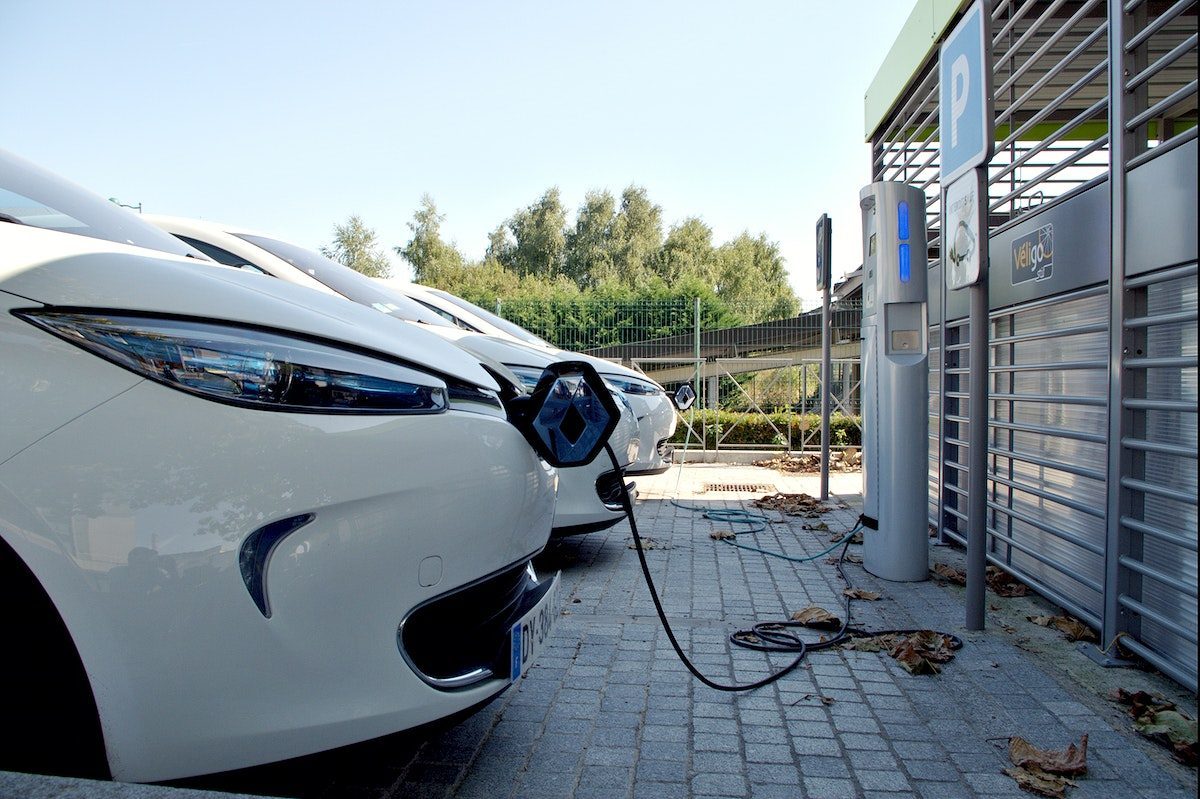
Climate Lead Group (CLG) supported the analysis and design of a transition strategy to electrify passenger transport fleets within the tourism sector, promoting more sustainable mobility and contributing to national and international decarbonization goals. The project focused on the special passenger transport subsector as a strategic entry point to accelerate the adoption of electric vehicles (EVs) and reduce greenhouse gas emissions (GGE) from transport. The project assessed the operational characteristics of passenger transport in tourism, the current and planned capacity of the national charging infrastructure, and the availability of electric vehicle technologies in both international and local markets. This analysis provided a clear understanding of the technical, operational, and market conditions required to support fleet electrification in the sector. Based on these inputs, the project developed a technical and financial pre-feasibility assessment and proposed a progressive transformation strategy to support tourism companies in replacing conventional fuel-based vehicles with electric alternatives. The strategy identified opportunities, challenges, and investment needs, offering a practical roadmap for implementation. By delivering actionable, evidence-based insights, the project supported informed decision-making in the tourism sector and laid the foundation for replicating electric mobility solutions across other transport subsectors, contributing to a cleaner, more resilient, and sustainable transport system. This project will not only provide a clear roadmap for the adoption of electric vehicles in the tourism sector but also lay the groundwork for replicating this model in other transportation subsectors, promoting cleaner and more sustainable mobility across the country.

Costa Rica · Central America 2022
National Short-Lived Climate Pollutants (SLCP) Plan and Methane Roadmap for Costa Rica and Panama
Decarbonization & Emission ReductionPolicy & Strategy Development

National Short-Lived Climate Pollutants (SLCP) Plan and Methane Roadmap for Costa Rica and Panama

In this context, Climate Lead Group (CLG) supported the Ministry of Environment and Energy (MINAE, by its Spanish acronym) in Costa Rica and the Ministry of Environment (MiAmbiente, by its Spanish acronym) in Panama in the development and endorsement of a national roadmap for SLCPs and methane, strengthening Costa Rica’ and Panama's NDC and air quality planning frameworks. The project delivered a detailed technical analysis of SLCP emissions across priority sectors, including transport, energy, agriculture, livestock, and waste management. This analysis combined emissions modeling with a rigorous review of existing public policies, assessing long-term emission trajectories under different scenarios. By integrating technical evidence with policy analysis, the project provided a comprehensive understanding of national mitigation opportunities and constraints, supporting the identification of realistic and effective actions tailored to the Costa Rican context. CLG also led the development of an SLCP roadmap that consolidated existing national and sectoral policy instruments, initiatives, targets, and actions into a coherent framework. The roadmap includes a monitoring and evaluation structure to track progress over time, supporting implementation, accountability, and continuous improvement. Through this work, CLG contributed to advancing near-term climate action, improving air quality, and reinforcing Costa Rica’ and Panama's leadership in integrated climate and environmental policy.

Costa Rica · Central America 2023
Decarbonization Options and Development of a Methodology for Mitigation and Adaptation Roadmaps in the Industrial Sector
Decarbonization & Emission ReductionClimate Change Adaptation

Decarbonization Options and Development of a Methodology for Mitigation and Adaptation Roadmaps in the Industrial Sector

To translate this vision into action, Climate Lead Group (CLG) developed an innovative methodology to guide private sector organizations in building decarbonization and climate adaptation roadmaps aligned with national targets. The methodology provided a structured, practical framework for identifying emission reduction and resilience opportunities across industries. Originally designed for industrial decarbonization, it was expanded to integrate adaptation criteria, enabling organizations to address climate risks while enhancing competitiveness. The approach combined technical, financial, economic, and environmental analysis and promotes synergies between mitigation and adaptation, strengthening long-term resilience and foster eco-competitiveness. The project tested the methodology through two pilot roadmaps in selected sectors, supported by technical feasibility studies and cost-benefit analysis. These pilots generated emission reduction scenarios and marginal abatement cost curves (MACC) toward 2050, while also identifying key barriers and enabling conditions for implementation. Training activities were designed to support uptake by private sector actors. Through this work, CLG contributed to operationalizing Costa Rica’s decarbonization agenda, empowering the private sector to advance low-emission, climate-resilient transformation and reinforcing the country’s leadership in integrated climate action.

Costa Rica · Central America 2023
Study of Climate Action Solutions for Different Types of Transportation Related to Private Sector Production Processes
Decarbonization & Emission ReductionEnergy Transition & Clean Technologies

Study of Climate Action Solutions for Different Types of Transportation Related to Private Sector Production Processes

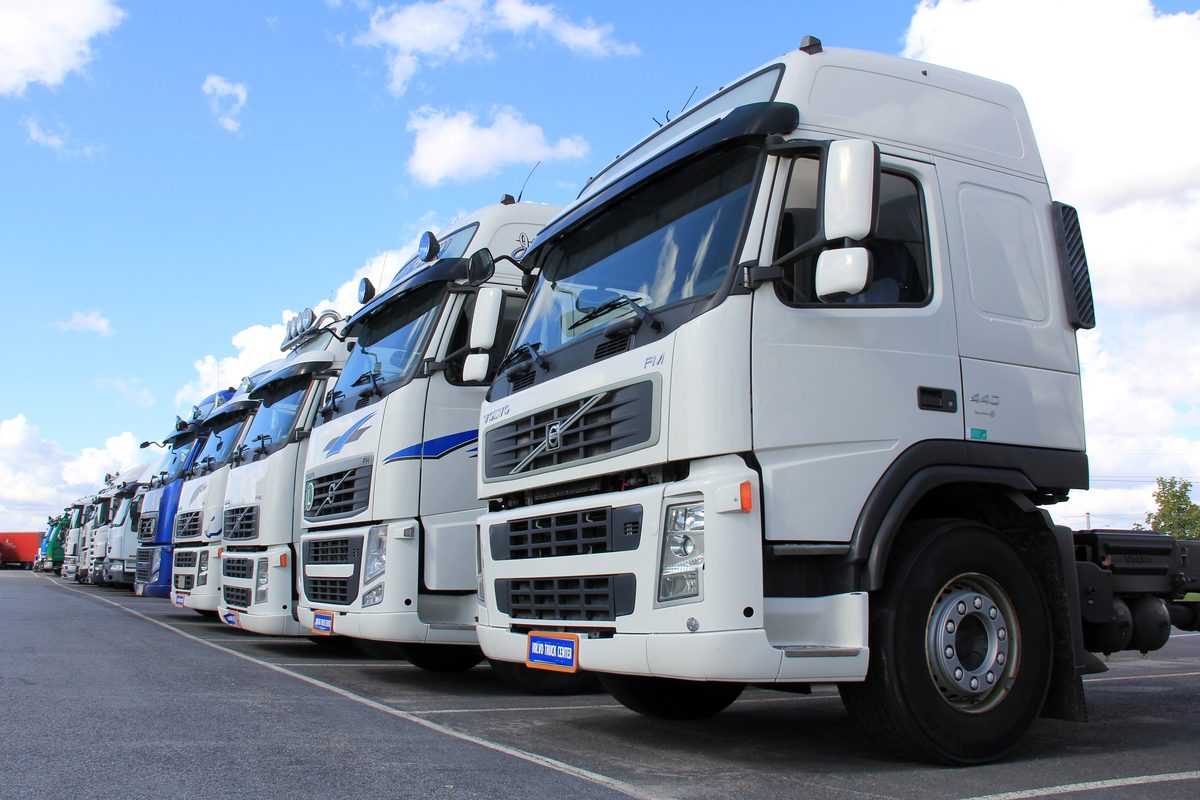
In this context, Climate Lead Group (CLG) supported the assessment of climate action solutions for Costa Rica’s tourism, light-duty, and heavy-duty transport sectors, providing the private sector with practical pathways to reduce emissions and strengthen resilience to climate impacts. Given that transport accounts for more than half of the country’s net greenhouse gas emissions, advancing low-emission mobility is critical to achieving national climate goals. The study evaluated a range of technological options, including electric minibuses and buses for tourism transport, battery-electric and hydrogen-based solutions for heavy-duty transport, and electric vehicles for light-duty fleets. The cost-benefit analysis (CBA) showed that electrification is economically viable for tourism and light-duty transport, while heavy-duty transport faces higher financial barriers and requires significant long-term investment. Using the OSeMOSYS-CR model, the analysis compared a baseline scenario with a climate action scenario that integrates electric and hydrogen technologies. Results indicated that by 2050, between 58% and 71% of energy demand in these subsectors could be met with electricity, reducing reliance on fossil fuels despite the need for additional investments in electricity infrastructure. The project also identified key barriers and enabling actions—such as charging infrastructure, supply chains, and cost reductions—and prioritized solutions based on technical, economic, and social feasibility. Through this work, CLG provided a robust analytical foundation to support strategic decision-making and accelerate the transition toward a cleaner, more resilient transport system aligned with Costa Rica’s decarbonization objectives.

Costa Rica · Central America 2023
NDC 3.0 Emissions Modelling and Scenario Analysis for Costa Rica
Decarbonization & Emission ReductionPolicy & Strategy DevelopmentIntegrated Modelling (CLEW++)

NDC 3.0 Emissions Modelling and Scenario Analysis for Costa Rica

To update Costa Rica’s NDC 3.0 for the 2025–2035 period, Climate Lead Group (CLG) provided robust technical modelling and analytical support. Under the ACCION Clima III programme implemented by GIZ, CLG developed and applied an integrated emissions modeling framework based on the CLEW++ approach, using the OSeMOSYS platform to assess interactions across the energy, transport, Agriculture, Forestry and Other Land Use (AFOLU), waste, and industrial processes sectors. CLG led the development of emissions scenarios for the 2025–2035 period, including a baseline trajectory and alternative NDC-related scenarios, based on a representative set of mitigation initiatives identified through national policy instruments and existing reporting frameworks. The analysis focused on quantifying emissions trajectories, estimating the mitigation potential of sectoral initiatives, and ensuring internal consistency and traceability of assumptions, data sources, and results in relation to the National Greenhouse Gas Inventory. The project also included the preparation of detailed technical reports with results, sectoral breakdowns, and scenario comparisons. These outputs were designed to serve as technical inputs to institutional review, participatory workshops, and subsequent refinement of the NDC 3.0 mitigation component led by national authorities.

Costa Rica · Central America 2025
Technical and participatory support to the update of Costa Rica's NDC 2025–2035
Policy & Strategy DevelopmentDecarbonization & Emission ReductionClimate Change AdaptationParticipatory Process

Technical and participatory support to the update of Costa Rica's NDC 2025–2035

This way, Climate Lead Group (CLG) supported the Government of Costa Rica in the review and update of its NDC through a robust, participatory and evidence-based process. The overall project combined governance analysis, stakeholder engagement, sectoral consultation, and technical inputs to inform the formulation of updated and new NDC contributions. Within the consortium led by Biomatec, CLG played a leading role in designing and coordinating the participatory process, supported the identification and engagement of key stakeholders, and led the organization and facilitation of sectoral workshops, in close coordination with the Climate Change Directorate (DCC, by its Spanish acronym) of the Ministry of Environment and Energy (MINAE) and GIZ. In addition, CLG led the technical development of adaptation-related contributions, ensuring alignment with the National Adaptation Policy and Plan, and supported the integration of adaptation considerations across sectoral discussions. In the transport sector, CLG provided technical leadership in the identification, refinement, and assessment of mitigation and adaptation measures, drawing on national policy frameworks and international best practices. Finally, CLG contributed technical expertise across all other sectors covered by the NDC update, supporting sectoral teams with methodological guidance, analytical inputs, and experience from comparable international processes. CLG also supported the preparation of technical reports and the systematization of workshop results, providing inputs for institutional review and participatory validation processes led by national authorities.

Costa Rica · Central America 2025
Study and Proposal for the Location and Installation of a Charging Station Network in Ecuador
Energy Transition & Clean Technologies

Study and Proposal for the Location and Installation of a Charging Station Network in Ecuador

Through the project “Study and Proposal for the Location and Installation of a Charging Station Network in Ecuador”, Climate Lead Group (CLG) supported the Government of Ecuador, in collaboration with the Inter-American Development Bank, in the strategic planning of a electric vehicle charging network as part of the country’s Sustainable Mobility Plan. The project addressed key barriers to electromobility, including the lack of an optimized charging network, the need for clear technical and economic criteria, and the integration of new demand into the electricity grid. The study combined advanced power flow analysis of distribution networks with geospatial analysis to identify optimal locations for charging stations in urban and interurban corridors. This approach considered mobility patterns, grid capacity, and future demand, while parallel financial and business models assessed the viability of public and private charging infrastructure, including tariff structures and incentive mechanisms. The project was developed through a participatory process involving public institutions, electricity distribution companies, regulators, and private sector stakeholders, ensuring technical validation, knowledge transfer, and institutional ownership. Key results included practical tools for strategic infrastructure planning, regulatory recommendations adapted to the national context, guidance to minimize impacts on the power system, and a phased roadmap for network deployment. Through its data-driven and policy-oriented approach, CLG provided robust technical inputs to accelerate electric vehicle adoption in Ecuador, supporting national goals on sustainable mobility, emissions reduction, and energy system modernization.

Ecuador · South America 2024
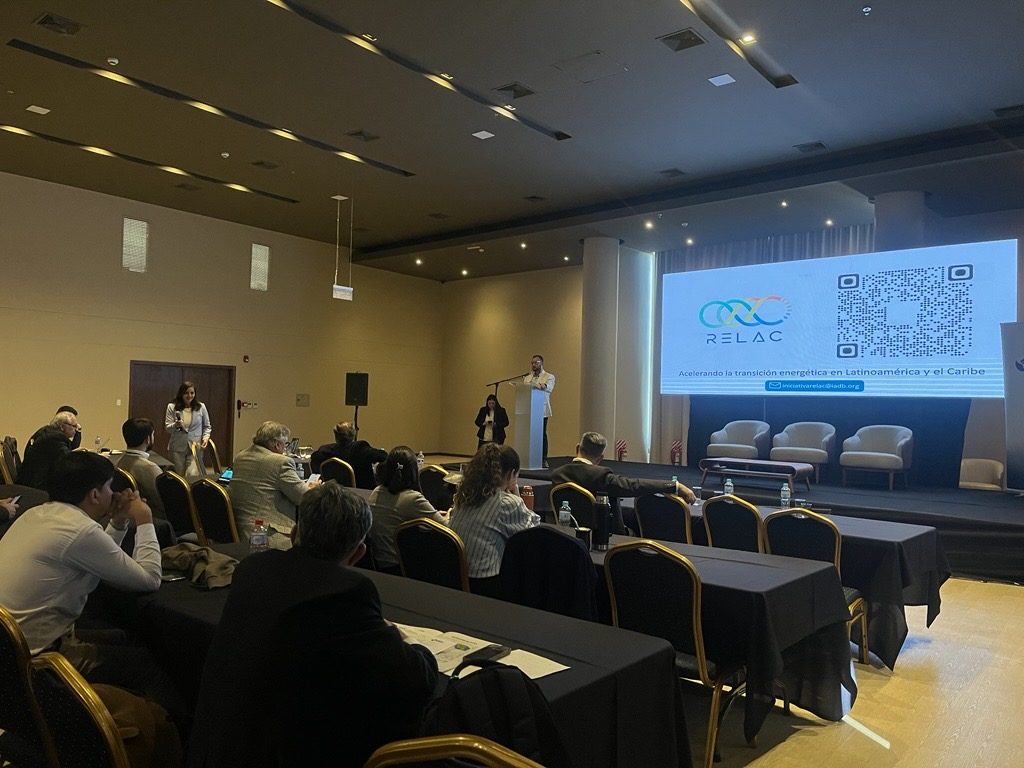
Prospective Regional Analysis to Inform RELAC Ambition in the Energy Sector of Latin America and the Caribbean (2024)
Policy & Strategy DevelopmentEnergy Transition & Clean TechnologiesDecarbonization & Emission Reduction

Prospective Regional Analysis to Inform RELAC Ambition in the Energy Sector of Latin America and the Caribbean (2024)

In this context, Climate Lead Group (CLG) developed a regional prospective analysis to support discussions on climate ambition, with a focus on the energy sector of LAC. The work contributed analytical inputs to inform the assessment of decarbonization pathways and the potential evolution of regional renewable energy targets, building on existing national policies and commitments. The analysis developed a regional baseline scenario and a set of alternative decarbonization scenarios aligned with existing national policies, energy plans, and Nationally Determined Contributions (NDC). Using transparent, publicly available data and prospective energy modeling, the analysis explored trends in electrification, renewable energy deployment, and interactions between electricity generation and total final energy demand, providing a clearer picture of how national trajectories could aggregate at the regional level and under which conditions higher renewable energy penetration could be achieved. In addition, the project identified policy-relevant indicators to monitor progress toward decarbonization at national and regional scales, consistent with international reporting frameworks. These analytical insights informed RELAC discussions on increasing ambition beyond initial benchmarks and on updating regional targets and monitoring approaches. The project also included a regional training workshop to strengthen technical capacities among RELAC countries in the use of prospective energy modeling tools and methodologies applied in the analysis.

Regional · Regional 2024